
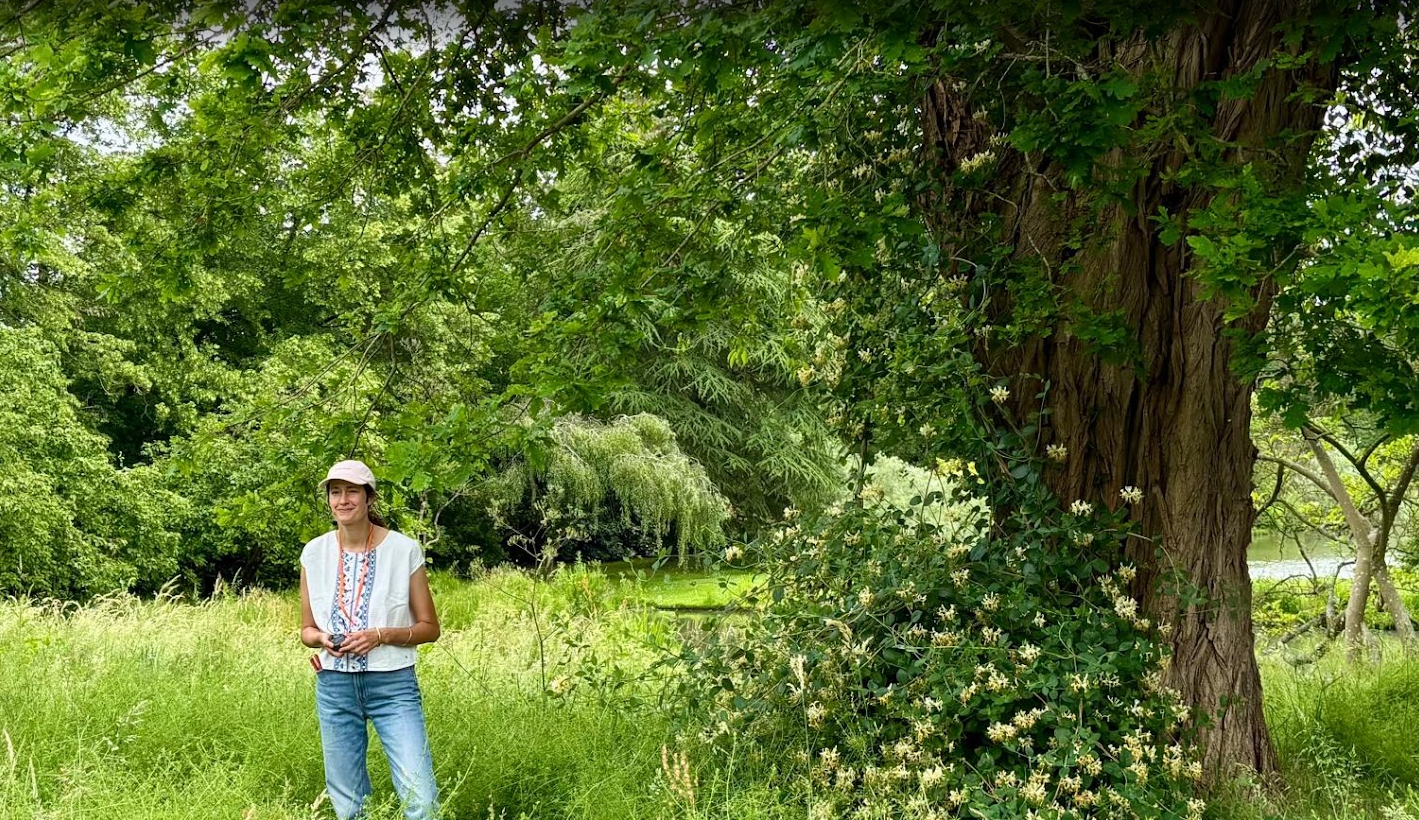
At Smissenbroek, protecting biodiversity and living ecosystems is at the very core of our work. Our daily farm and garden practices are guided by a commitment to regenerative care
Radical Diversity
From our gardens to our woodlands or agroforestry, diversity is at the heart of Smissenbroek. We believe that beautiful, abundant landscapes can make people curious—and make them care.
Food with a future
We grow food while restoring the land. Through organic farming, no-till cultivation and agroforestry, we produce for people and prioritize the local Belgian food system.
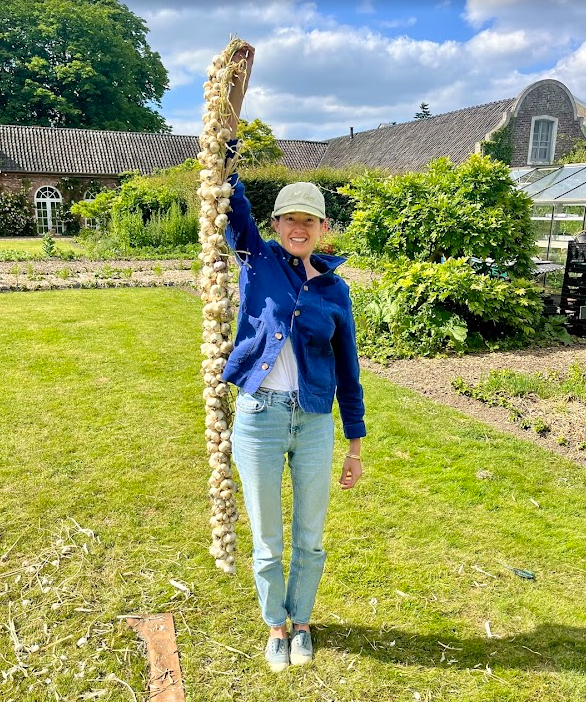
Come & Experience
Smissenbroek is meant to be experienced. Taste something unfamiliar, wander through the gardens, learn where your food comes from, meet outside or simply spend time surrounded by nature.
A Place with Purpose
Companies, visitors and partners help make our wider mission possible: protecting biodiversity, experimenting with better ways of farming and giving children opportunities to learn from nature.
We believe reconnecting with nature can start with something as simple as planting a seed or tasting a leaf.
Meet the Team
-
![]()
Isabelle d'Ursel
Head gardener
Head gardener and driving force behind Smissenbroek, combines a background in agriculture with an endless curiosity for plants, food and biodiversity.She sees the estate as a living laboratory—constantly experimenting with unusual crops, regenerative techniques and new ways to inspire people to reconnect with nature.
-
![]()
The volunteers
Gardeners and more…
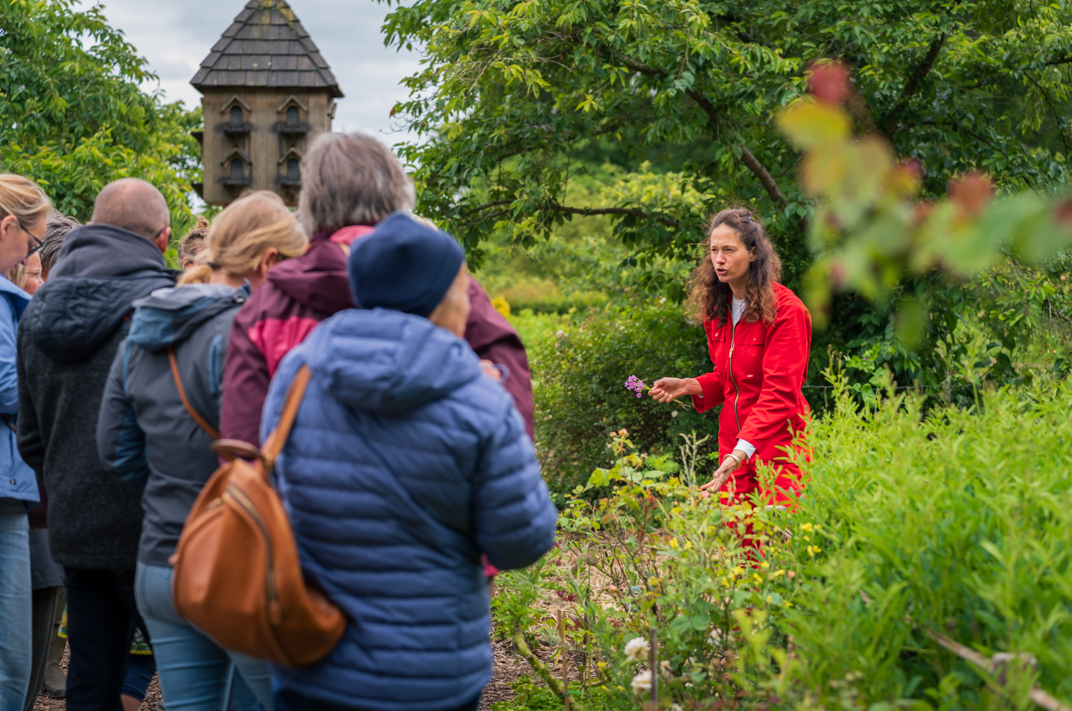
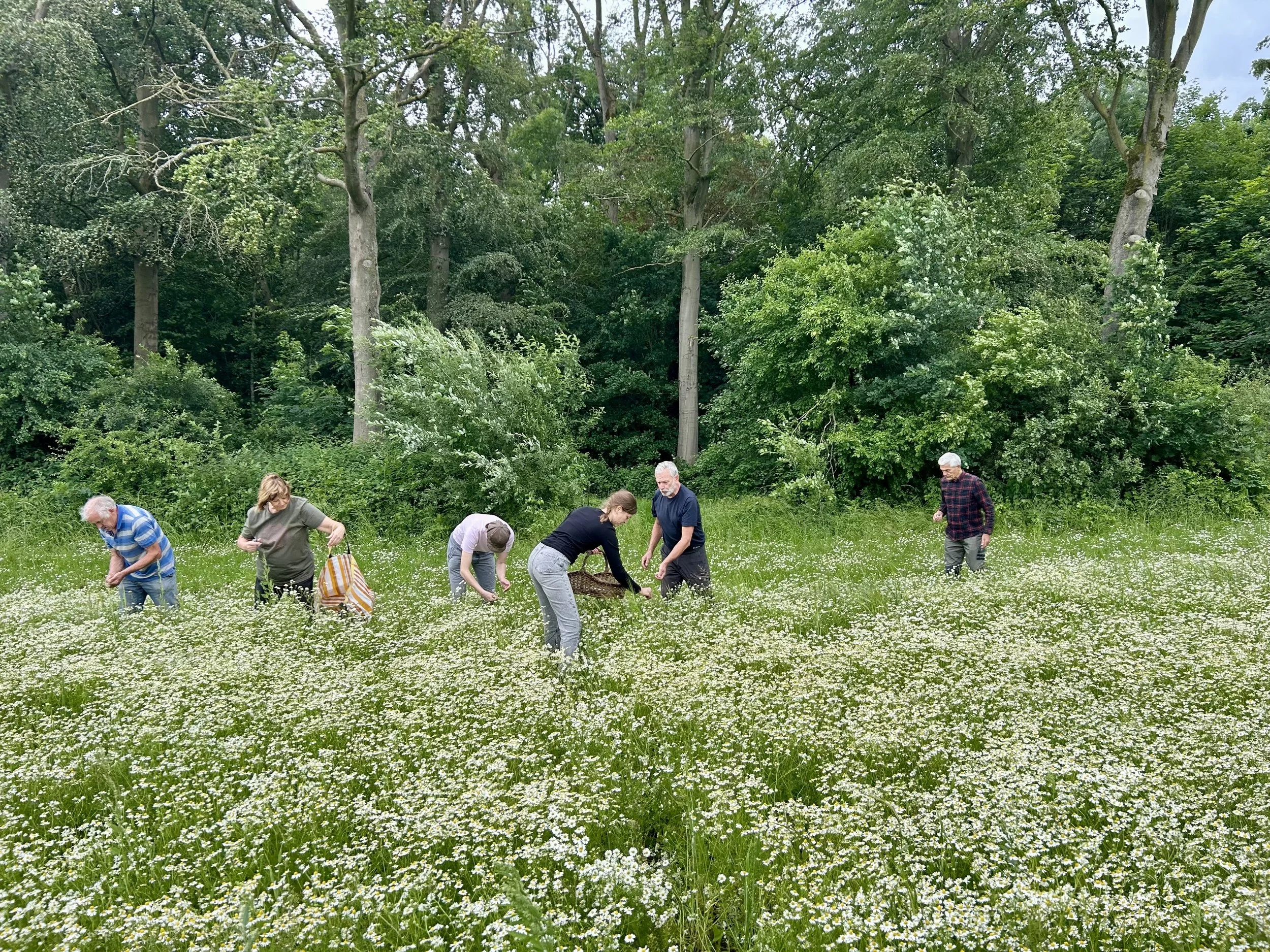
Every Tuesday, rain or shine, our wonderful volunteers gather at Smissenbroek from 9:00 to 11:30 to work, share knowledge and learn from one another. Everyone brings different skills, experience and curiosity—and every session ends with a well-earned cup of coffee together in the warmth of the Orangerie. Smissenbroek simply wouldn’t be the same without them.
Thank you Myriam, Gudrun, Martine, Fien, Rik, Jean-Luc, Marno, Chris, Filip, Antoine and Griet! -
![]()
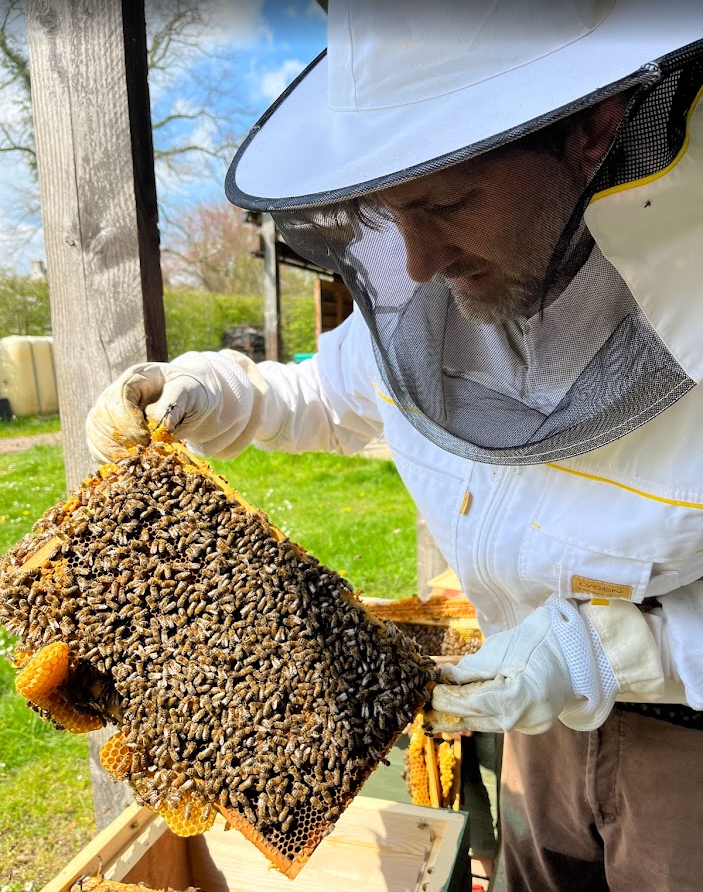
The beekeeper
Melchior (Isabelle’s husband)
Set in the heart of Smissenbroek’s meadows and wetlands, the hives stand in close harmony with the local landscape. Since 2021, Melchior has been taking advantage of the rich, seasonal flora that thrives in this area, his craft focuses on gentle colony management and small-scale, authentic honey production that reflects the character of the local countryside.
Jobs
-
Role Overview: A learning-focused, hands-on role for students or recent graduates in agronomy, ecology, landscape design, or environmental management looking to gain practical experience on a historic ecological estate.
Core Responsibilities:
Assist the estate team with daily biodiversity monitoring, wetland conservation, and botanical record-keeping.
Participate in seasonal regenerative farming, permaculture garden maintenance, and agroecological projects.
Support educational workshops, guided visits, and documentation of the park’s flora and fauna.
Profile: Strong curiosity for sustainable land stewardship, proactive attitude, and basic academic grounding in ecological or agricultural sciences.
-
Role Overview: A residential, experiential exchange role for individuals passionate about organic living, soil regeneration, and practical country life in a community-oriented natural sanctuary.
Core Responsibilities:
Engage in daily community gardening, weeding, mulching, seed sowing, and organic vegetable harvesting.
Help maintain tree nurseries, footpaths, compost systems, and animal/habitat shelters across the estate.
Participate in communal living tasks, shared eco-building upkeep, and seasonal farm chores.
Profile: Eager to learn hands-on permaculture skills, adaptable to physical outdoor work in all weather, and enthusiastic about collaborative rural life.
-
Role Overview: A skilled, autonomous professional responsible for maintaining the health, beauty, and botanical heritage of the historical parklands, formal gardens, and agricultural zones.
Core Responsibilities:
Oversee the year-round care of the historic tree collection, arboretum, orchards, hedges, and ornamental grounds using strictly ecological practices.
Manage water infrastructure (ponds, moats, swales) and lead pruning, soil nourishment, and disease prevention without synthetic chemicals.
Coordinate and mentor seasonal volunteers, interns, and external landscape contractors.
Profile: Proven professional gardening or arboriculture experience, solid knowledge of botanical species and organic maintenance techniques, and practical proficiency with estate machinery.
Research & Partnerships
Smissenbroek has had the luck to participate in several partnerships with organizations and Universities. Explore some of these partnerships on the right and get in touch if you wish to discuss the next one.
-
Through BOS+’s Treecological project, Smissenbroek’s agroforestry system helps capture carbon in trees, shrubs and soil. Contributions from individuals and companies offsetting the impact of their travel help finance agroforestry planting on local farms like ours—supporting both climate action and more resilient agricultural landscapes.
-
For our first 5-hectare agroforestry plot, ILVO helped translate our vision and farming needs into a practical design, selecting productive trees and shrubs adapted to our soil, orientation and low-maintenance approach. Their expertise helped us create a system combining food production, biodiversity and resilience. Over the next 10 years, ILVO will also monitor carbon storage in the plot, helping us measure the long-term impact of our agroforestry system.
-
Smissenbroek has become a real-world playground for landscape architecture students from KASK / HOGENT / Howest. In a first collaboration, 60 students reimagined different areas of the estate, proposing everything from seating bridges and sustainable benches to water gardens and wildlife observation platforms. A second project challenged 3rd-year students to design agroforestry and food forest plans for a new Smissenbroek plot.
Their fresh perspectives and out-of-the-box thinking have brought ideas to Smissenbroek that we could never have imagined alone.
-
For an entire year, 2nd- and 3rd-year Design Academy Eindhoven students used Smissenbroek as a living laboratory, developing projects around our waste streams, resources, needs and mission. Guided by experts from Timelab, OpenStructures and Studio Plastique, they transformed materials such as cattail, nettles, compost, Japanese knotweed and duckweed into surprising prototypes—from grass paper and insulation to farm wearables, heating systems and cosmetics.
A collaboration that shows how what we consider a waste stream can become the starting point for something entirely new.
-
A master’s student from Arteveldehogeschool worked with Smissenbroek to strengthen our visibility within the plant-based business community. By identifying and reaching out to organisations that share our values, the project helped build connections between Smissenbroek and companies committed to a healthier, more sustainable food system—introducing them to the estate as a place to meet, learn and reconnect with nature.







Smissenbroek’s History
Founded in 1740 by the Maelcamp family, Smissenbroek was shaped around the natural hydrology of the Flemish countryside. Its classicist buildings were integrated into a scenic, water-rich landscape dominated by moats, reflective ponds, marshes, and mature tree-lined avenues, creating a protected green haven where country life coexisted with the local wetland ecosystem.
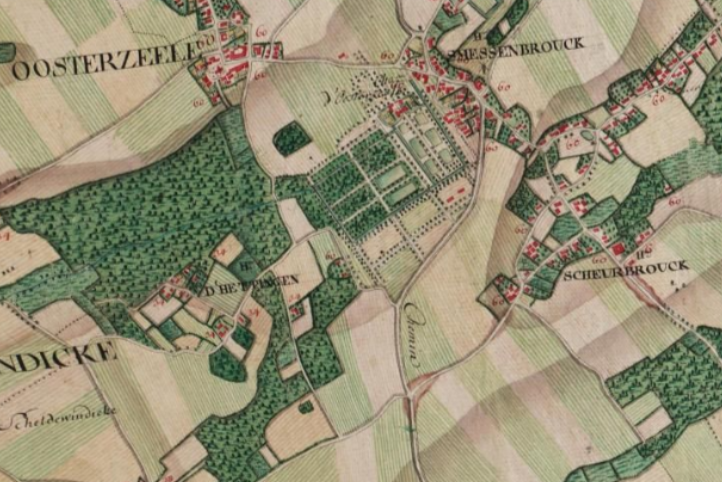
18th-Century Origins: Harmonizing Architecture with Wetlands
When a devastating fire razed the castle in 1947, the surrounding ancient parkland and historic woodlands remained intact. During the careful reconstruction led by Maurice Delens, preserving the landscape's ecological balance was essential, ensuring that the centenarian trees, waterways, and wildlife corridors continued to thrive alongside the restored heritage building.
A decisive turning point for the land came with Augustin d'Ursel and his wife Marie Greindl. Passionate about flora, they revitalized the estate by developing a rich botanical park—planting a diverse collection of rare and notable species—while reviving traditional agricultural activities on the surrounding farmland. Their vision firmly re-established Smissenbroek as both a horticultural haven and a working rural sanctuary.
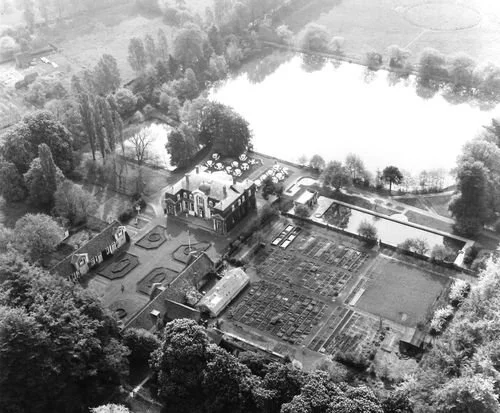
Destruction and Reconstruction
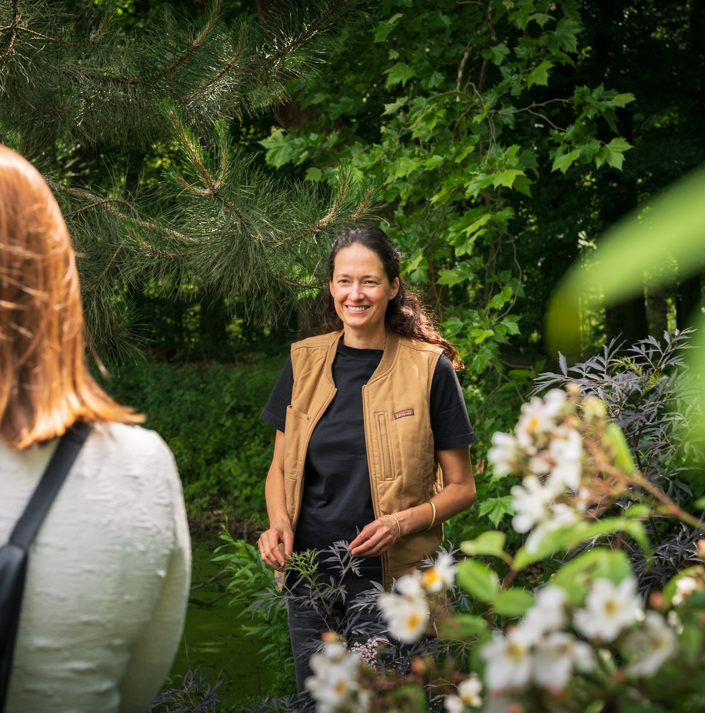
Under the stewardship of Isabelle d'Ursel, Smissenbroek transitioned into a full-scale ecological project. Today, the estate’s focus is on regenerative agriculture, and habitat restoration, transforming the historic grounds into a biodiversity sanctuary and an educational space dedicated to rewilding and human-nature harmony.